A foreclosure cleanout vs dumpster rental choice depends on the home's condition, deadline, access, and available labor. A full-service cleanout includes sorting, loading, hauling, and disposal. A dumpster gives you a container for self-loading. The better option depends on who will do the work.
Foreclosed homes often need more than basic trash removal. They may hold furniture, appliances, loose items, yard waste, and leftover building materials. The right plan helps owners, agents, banks, and property managers prepare a home for sale or turnover.
At Flagstaff AZ Junk Removal, the team helps property owners review the work before it starts. A clear plan can make a whole house cleanout easier, especially when the home has many contents or a short deadline.
Table of Contents
- What Is the Difference Between a Foreclosure Cleanout and Dumpster Rental?
- Which Option Is Faster for Preparing a Foreclosed Property?
- How Much Does a Foreclosure Cleanout Cost Compared With a Dumpster?
- What Types of Items Can Each Option Remove?
- When Is a Professional Foreclosure Cleanout the Better Choice?
- When Does Renting a Dumpster Make More Sense?
- How Should You Choose Between a Foreclosure Cleanout and Dumpster Rental?
- Key Takeaways
- Frequently Asked Questions
- Conclusion
What Is the Difference Between a Foreclosure Cleanout and Dumpster Rental?
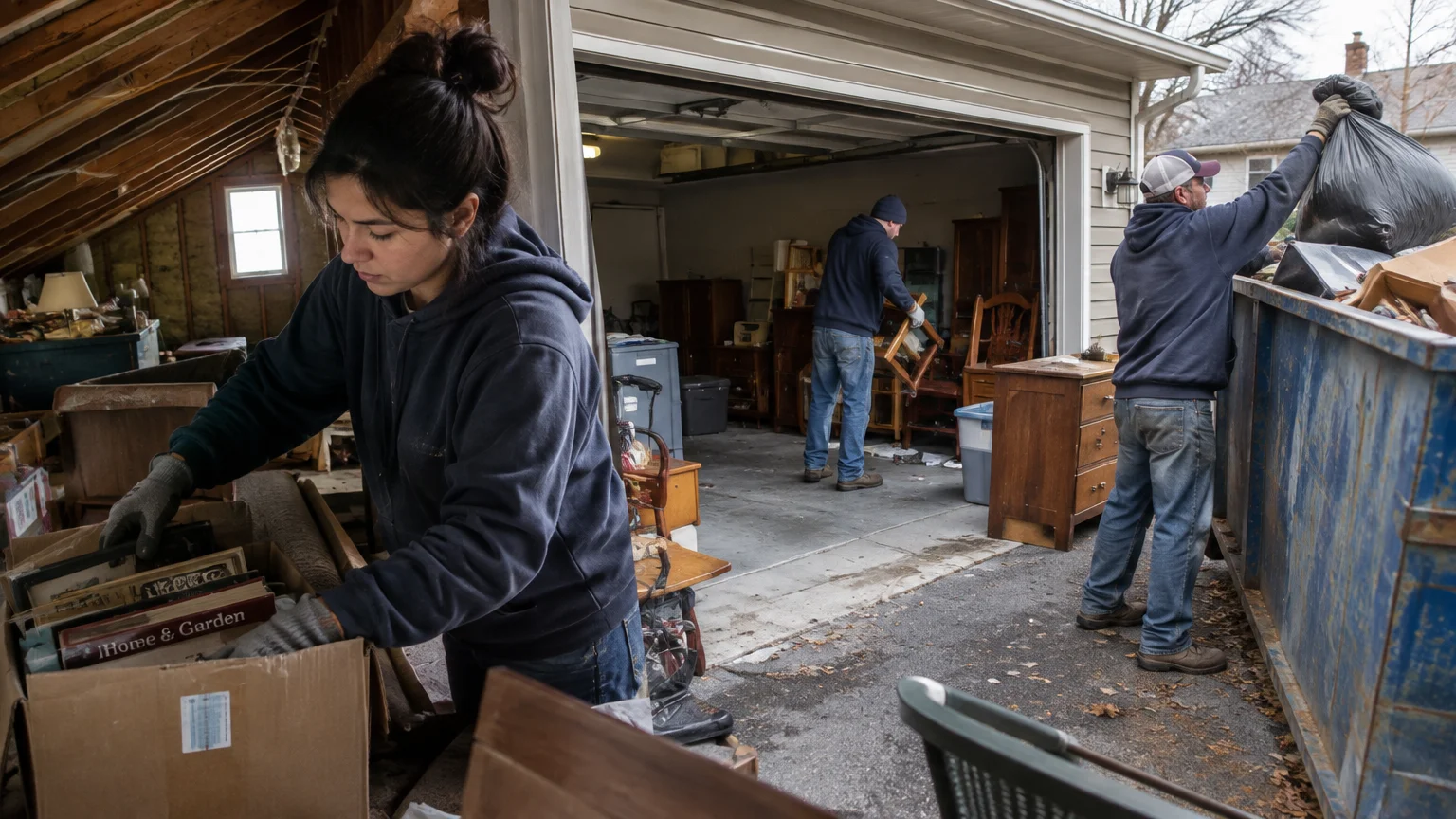
A foreclosure cleanout is a full service. A crew removes unwanted contents, carries them out, loads them, hauls them away, and handles disposal. A dumpster rental only provides the container. The owner or hired workers usually do the lifting and loading.
The best choice depends on the work left behind. A mostly empty home with loose flooring or renovation debris may suit a dumpster. A furnished home with full rooms, heavy items, and outdoor debris may need a full-service crew.
How a full-service cleanout works
A full-service cleanout often starts with a review of the rooms, garage, attic, basement, and yard. The crew can note what needs removal and look for access problems. These problems may include narrow stairs, blocked doors, long paths, or damaged floors.
The crew handles the physical work from start to finish. This may include moving furniture, lifting appliances, gathering small debris, and sweeping cleared areas. Property-ready results leave the home in better shape for repairs, photos, inspection, or sale.
Flagstaff AZ Junk Removal can help owners decide whether an eviction and foreclosure cleanout fits the home. This can help when the owner lives far away or cannot visit often. It can also help banks, agents, and property managers who need one clear work plan.
How a dumpster rental works
A dumpster rental places a container at or near the property for a set time. The customer loads the debris and follows rules for weight, fill level, and restricted items. The container is then picked up for processing or disposal.
This option may work well when a trusted crew is already at the home. It can suit a contractor, maintenance team, or property manager handling a planned cleanup. It is less useful when no one is ready to carry heavy items or sort mixed contents.
A dumpster also needs a safe placement area. The truck needs room to deliver and remove it. Driveways, gates, local rules, and overhead branches may affect where the container can go.
Which Option Is Faster for Preparing a Foreclosed Property?
A full-service cleanout is often faster when a home has many contents and the owner needs labor. A dumpster may be faster for a small project when workers are ready to load it. The true turnaround depends on the home's size, volume, access, and schedule.
Speed is not only about how fast a container arrives. It also includes sorting, carrying, loading, hauling, sweeping, and handling items that cannot go inside. A project that looks small outside may take longer after every room is checked.
Typical timelines for removal and hauling
A simple property with a few piles may be cleared in one planned visit. A larger home may need more time when furniture, appliances, boxes, and yard debris are mixed together. A dumpster project may take longer if the customer works around weather, jobs, or limited labor.
Owners should also plan for access details. Someone may need to unlock the home, move a vehicle, open a gate, or protect shared areas. Planning these details early can keep a crew or container from waiting.
How access, volume, and scheduling affect turnaround
Access can matter as much as volume. A home with a clear driveway and open rooms is easier to clear than one with blocked halls or damaged steps. Heavy items on an upper floor can add work even when the debris pile looks small.
The deadline matters too. A listing, repair crew, inspection, or new tenant may depend on the cleanout. In those cases, a service that includes labor can reduce the number of tasks the owner must manage.
For property managers in the Flagstaff area, a written scope can help everyone understand the work. This may include Downtown Flagstaff, Coconino Estates, Sedona, Williams, Bellemont, Munds Park, and nearby communities. The scope can list rooms, outbuildings, appliances, and outdoor areas.
How Much Does a Foreclosure Cleanout Cost Compared With a Dumpster?
Costs vary because each property has different materials, labor needs, access issues, and disposal needs. A full-service cleanout reflects loading, hauling, and sorting work. A dumpster rental usually reflects delivery, pickup, the rental period, and disposal terms.
Neither choice should be judged by the service or container fee alone. Owners should consider who will move the items, how long the work will take, and what happens to materials that cannot go in the dumpster.
What is usually included in a cleanout estimate
A cleanout estimate may consider the number of rooms, furniture, appliance weight, stairs, distance to the truck, and outdoor debris. It may also consider mattresses, electronics, construction debris, and materials needing special handling.
Ask whether loading, hauling, basic sweeping, and disposal are included in the work plan. The scope should also list exclusions. This matters when the property contains chemicals, paint, tires, gas cylinders, medical waste, or damaged appliances.
Actual pricing depends on the job and is confirmed when the owner gets in touch. Flagstaff AZ Junk Removal can review the work needed without implying that every property has the same cost.
Dumpster rental fees and possible extra charges
A dumpster plan may include delivery, pickup, a rental period, and a disposal allowance. Extra charges may relate to added days, excess weight, overfilled material, prohibited items, or a difficult delivery site. Terms differ by provider, so read them before booking.
Count the value of labor too. If workers are paid to load the container, that labor is part of the project. Time spent sorting, lifting, sweeping, and making repeat trips can change the final cost.
What Types of Items Can Each Option Remove?
Both options may handle common household contents and normal debris, but accepted materials vary. Furniture, boxes, loose trash, and some yard waste are often part of a standard cleanout. Owners must check rules before placing appliances, electronics, liquids, or hazardous materials in a container.
A full-service crew can often identify problem items before loading. That does not mean every item can be removed. Some materials need a special provider, recycling site, or local disposal program.
Household contents, furniture, and outdoor debris
Common foreclosure contents include sofas, beds, tables, chairs, cabinets, clothing, toys, boxes, and broken goods. Outdoor areas may hold branches, tools, patio furniture, fencing, or loose debris. A garage cleanout may add tires, shelves, lawn equipment, and bulky appliances.
Mattresses and freezers may have special handling rules. Owners asking where to take old mattresses or who takes old freezers should check local requirements first. A removal team may explain whether an item is accepted and how to prepare it.
Refrigerators and freezers may contain refrigerant, a chemical used for cooling. Check local handling rules before processing these appliances. Never cut lines or release refrigerant.
Restricted, hazardous, and specialty materials
Paint, fuel, pesticides, asbestos materials, medical waste, propane tanks, and some chemicals may not belong in a standard dumpster or cleanout load. Electronics, fluorescent bulbs, batteries, and appliances may also have separate recycling rules. Identify these items before work starts.
Tree branches may have local limits as well. Anyone asking where to drop off tree branches near me should check current city, county, or waste-site rules. Limits for size, bundles, and drop-off times can differ.
Tell the service provider about unsafe materials early. Good planning protects workers, neighbors, the property, and the environment.
When Is a Professional Foreclosure Cleanout the Better Choice?
A professional cleanout is often better when a property needs labor, sorting, hauling, and a quick reset. It can help when rooms are full, access is hard, or the owner lives far away. It may also fit a home needed for repairs, inspection, or listing soon.
The service can reduce the number of vendors involved. Instead of finding workers, a truck, a container, and disposal sites, the owner can review one work plan. This can help banks, real estate professionals, landlords, and families handling an estate cleanout.
Properties with heavy accumulation or difficult conditions
Heavy accumulation means more than one large pile. It can include narrow paths, stacked boxes, broken furniture, spoiled contents, or debris across many rooms. Some homes may also have poor lighting, pests, odors, damaged floors, or unsafe entry points.
A crew can review these conditions before work begins. Owners should share known hazards and avoid unsafe areas. A hoarding situation may need extra care, but junk removal workers are not a replacement for medical or mental health support.
A full-service crew may also help with attic, basement, garage, and outdoor areas. These spaces often hold items that make a foreclosure cleanout take longer than expected.
Situations requiring sorting, labor, and property-ready results
Sorting matters when items may be kept, donated, recycled, or discarded. Owners should remove personal records, valuables, legal papers, and family keepsakes before the crew arrives. If something must stay, mark it clearly.
Property-ready work may include removing contents, clearing paths, gathering loose debris, and sweeping floors. It does not replace repairs, deep cleaning, pest treatment, or remodeling unless those services are arranged separately.
For a home Flagstaff AZ Junk Removal can help the owner understand which parts of a house cleanout fit the property's condition. A clear scope makes the next step easier to plan.
When Does Renting a Dumpster Make More Sense?
A dumpster may make more sense when debris is simple, timing is flexible, and reliable labor is available. It can suit a renovation, flooring removal, yard project, or mostly empty home. The site must also have a safe place for delivery and pickup.
This option gives the customer control over loading. That can help a contractor or property manager with workers already on site. It may also work when the project can continue over several days.
Projects with available labor and flexible timing
A dumpster works best when someone can load it safely and steadily. Workers need proper tools and enough time to move bulky items. They must also know which materials are restricted and keep the load below the fill line.
Flexible timing can make a container rental easier. The customer may load it as rooms are cleared instead of arranging one complete removal visit. Still, the rental period and pickup schedule should match the work plan.
Do not assume friends or temporary workers can safely handle heavy appliances, large furniture, or unstable piles. Lifting injuries and property damage can create serious problems.
Properties with straightforward debris and easy access
A mostly empty home with loose drywall, flooring, or small debris may suit a dumpster project. Easy driveway access helps the delivery truck place the container without blocking gates or damaging surfaces.
Check whether the container needs a permit or ground protection. Some neighborhoods, private roads, and shared drives have placement rules. The container must also leave safe paths for people and vehicles.
If the project grows from simple debris into a full cleanout, the owner may need to change plans. A dumpster does not sort items, carry contents from rooms, or decide what should be donated.
How Should You Choose Between a Foreclosure Cleanout and Dumpster Rental?
The best choice comes from comparing the home's contents, deadline, access, labor, and disposal needs. A full-service cleanout fits hands-off removal and fast turnover. A dumpster fits self-loading projects with simple debris and dependable workers.
A short site review can show the right path. Check every room, closet, garage, attic, basement, shed, and yard. This keeps a small-looking project from becoming a delayed one.
Questions to ask before making a decision
Before choosing, property owners and managers should ask:
- Who will lift, carry, sort, and load the material?
- Does the property need to be ready by a firm date?
- Are there stairs, narrow halls, damaged floors, or blocked doors?
- Do the materials include appliances, mattresses, electronics, liquids, or chemicals?
- Is there a legal and safe place for a dumpster?
- Which items must be saved, donated, recycled, or handled separately?
These questions help separate a labor problem from a container problem. They also help the owner explain the project when requesting service details.
A practical comparison checklist for property owners and managers
A full-service cleanout is usually the stronger fit when the home is furnished, access is difficult, or the owner needs one team to handle the work. It is also useful when a property manager cannot stay on site during removal.
A dumpster may suit a project when debris is already gathered, workers are available, and access is easy. Confirm the rental period, fill rules, accepted materials, and pickup process.
For foreclosure properties across the Flagstaff area, the final choice should support the next business step. That may be repairs, cleaning, inspection, listing, sale, or tenant turnover. A clear plan is more useful than choosing by container size alone.
Key Takeaways
- A full-service cleanout includes labor, loading, hauling, and disposal.
- A dumpster rental works best when workers can load simple debris.
- Access, volume, deadlines, and restricted materials affect the choice.
- Owners should inspect rooms and outdoor areas before planning removal.
- The best option meets the property's real needs.
Frequently Asked Questions
Is a foreclosure cleanout different from regular junk removal?
Yes. A foreclosure cleanout often covers an entire property. It may include furniture, appliances, boxes, yard debris, and loose trash. It may also need sorting, fast turnaround, and a final sweep. Regular junk removal may involve only one item or a small group of items.
Can a dumpster remove everything from a foreclosed home?
No. A dumpster cannot accept every material, and it does not provide room-by-room labor. Paint, fuel, chemicals, refrigerant appliances, medical waste, and other restricted items may need separate handling. Review accepted materials before loading anything.
Who should choose a full-service foreclosure cleanout?
A full-service cleanout may suit owners who need labor, sorting, hauling, and faster turnover. It can help banks, landlords, real estate professionals, and remote owners. It is also useful when a home has heavy contents, difficult access, or many types of debris.
Can a cleanout crew remove appliances and mattresses?
Many removal services handle common bulky items, but rules vary. Refrigerators and freezers may need refrigerant recovery before processing. Mattresses may have separate disposal rules. Identify these items early so the provider can explain the handling plan.
What should an owner do before the crew arrives?
Remove valuables, personal records, legal papers, and items that must stay. Unlock access doors, secure pets, and report known hazards. A simple room-by-room list can help the crew understand what belongs in the cleanout.
Conclusion
The choice between a foreclosure cleanout and dumpster rental depends on more than debris volume. A dumpster can suit simple projects with available labor and flexible timing. A professional cleanout may make more sense when the property needs sorting, heavy lifting, hauling, and a fast path toward sale or turnover.
Flagstaff AZ Junk Removal helps property owners review cleanout needs and nearby service areas. Contact us to discuss the property's contents, access, deadline, and removal plan.